
🗣️ Abacus and Self-Explanation: How Talking Through Problems Deepens Learning
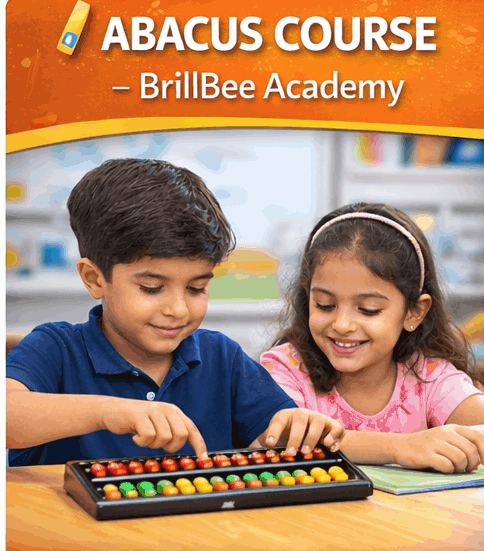
Talking through the process builds understanding
Does your child solve problems correctly but can’t explain how they got the answer?
Self‑explanation — verbalizing your thought process — is a powerful learning strategy. Abacus practice naturally encourages it.
Here’s the promise: You’ll learn how talking through abacus sums deepens understanding.
Director & Lead Abacus Trainer | Mission Abacus Pvt. Ltd.
10+ years experience | 5000+ students & teachers trained
📍 Mission Abacus Pvt. Ltd. — Jaipur, India
🌐 Website: missionabacus.in
📞 WhatsApp: +91 96641 11853
🧩 What is Self-Explanation?
It’s the act of explaining your reasoning out loud. It forces you to articulate steps, identify assumptions, and fill gaps. Children who self‑explain learn faster and remember longer.

🎯 How to Use Self-Explanation with Abacus
Prompt questions: “How did you solve that?” “Why did you move that bead?” “What would happen if you moved a different bead?” Teach back: Child explains a new concept to you. Record and listen: Child records explanation, listens back. Error explanation: “Why do you think this answer was wrong?”
💡 A Parent’s Strategy
“I used to just check if my daughter’s answer was correct. Now I ask ‘Tell me how you solved it.’ She explains the steps. Her understanding has improved so much — and she’s more confident talking about math.”
You might wonder, “What if my child can’t explain?” Model it: “When I solved this, I thought…” Then ask them to try.
❓ FAQ — Self-Explanation
How often should I ask for self‑explanation?
2‑3 times per session. Not every sum — it can become tedious.
What if my child gives wrong explanations?
Gently correct. “Almost — let me show you where the step went wrong.”
Can self‑explanation help with test taking?
Yes — children who explain their thinking can catch their own errors more easily.
Does online abacus allow self‑explanation?
Yes — teacher can ask questions, child explains via microphone.
What if my child is shy about speaking aloud?
Whispering or writing the explanation works too. Gradually build confidence.
Does self‑explanation work for all ages?
Yes — even young children can say “I moved 2 beads up.”
What’s the best prompt for a beginner?
“What did you do first?” Keep it simple.
✨ Talk your way to deeper understanding.
Self‑explanation with abacus builds math confidence.
📲 Book a self‑explanation demo →Limited seats
Director & Lead Abacus Trainer | Mission Abacus Pvt. Ltd.
10+ years experience | 5000+ students & teachers trained
📍 Mission Abacus Pvt. Ltd. — Jaipur, India
🌐 Website: missionabacus.in
📞 WhatsApp: +91 96641 11853