
✨ Put numbers in their place
📊 Abacus and Number Ordering: Sequencing from Smallest to Largest
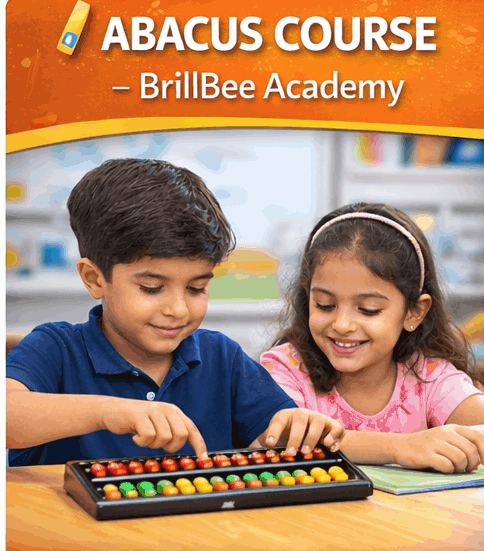
Shortest to longest = smallest to largest
Can your child put 7, 3, 9 in order from smallest to largest?
Number ordering is arranging numbers in sequence. Abacus makes this visual through bead length.
Here’s the promise: You’ll learn how abacus teaches number order intuitively.
Director & Lead Abacus Trainer | Mission Abacus Pvt. Ltd.
10+ years experience | 5000+ students & teachers trained
📍 Mission Abacus Pvt. Ltd. — Jaipur, India
🌐 Website: missionabacus.in
📞 WhatsApp: +91 96641 11853
🧩 Why Number Ordering Matters
Ordering numbers is essential for understanding number lines, place value, and magnitude. Children who can’t order numbers struggle with comparing and estimating.

🎯 How Abacus Teaches Ordering
Bead row comparison: Make a row for each number, arrange by length. Number line connection: Place bead rows along a drawn number line. Ordering games: “Which number comes next?” after arranging. Missing number: Show ordered rows with one missing, child finds the missing bead count.
💡 A Parent’s Game
“I give my son three numbers on cards. He makes bead rows, then arranges them from smallest to largest. He’s learning number order without worksheets.”
You might wonder, “Does ordering help with place value?” Yes — ordering multi-digit numbers requires comparing tens place first.
❓ FAQ — Number Ordering
How do I practice ordering at home?
Use bead rows for 2-4 numbers. Child arranges them by length, then writes the number order.
What if my child only looks at the beads, not the numbers?
That’s fine — the visual understanding transfers to numerals later.
Does ordering help with fractions?
Yes — ordering fractions (1/2, 1/4, 3/4) uses the same magnitude sense.
Can online abacus teach ordering?
Yes — digital bead rows can be dragged into order.
What’s a good ordering goal?
Ordering 5 random numbers up to 20 without visual beads.
How long to master ordering?
3-6 weeks of daily practice.
What’s the most important ordering message?
“Short row = small number. Long row = big number.”
✨ Teach your child to put numbers in order.
Abacus makes sequencing visual.
📲 Book an ordering demo →Limited seats
Director & Lead Abacus Trainer | Mission Abacus Pvt. Ltd.
10+ years experience | 5000+ students & teachers trained
📍 Mission Abacus Pvt. Ltd. — Jaipur, India
🌐 Website: missionabacus.in
📞 WhatsApp: +91 96641 11853