
🎮 Abacus and Self-Regulated Learning: Letting Kids Take Control
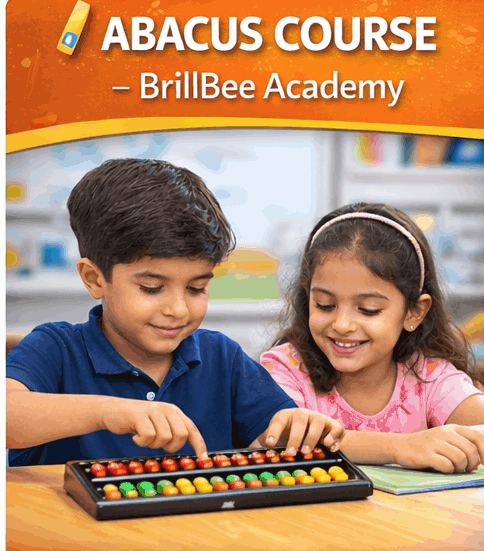
Children who plan their practice make faster progress
Do you constantly remind your child to practice abacus?
Self-regulated learning means children set goals, monitor progress, and reflect on their own. Abacus provides the perfect structure for this.
Here’s the promise: You’ll learn how to help your child take ownership of their abacus journey.
Director & Lead Abacus Trainer | Mission Abacus Pvt. Ltd.
10+ years experience | 5000+ students & teachers trained
📍 Mission Abacus Pvt. Ltd. — Jaipur, India
🌐 Website: missionabacus.in
📞 WhatsApp: +91 96641 11853
🧩 What is Self-Regulated Learning?
It’s the ability to plan, monitor, and reflect on your own learning. Self‑regulated learners don’t wait to be told — they take initiative. This skill predicts academic success better than IQ.

🎯 Fostering Self-Regulation with Abacus
Goal setting: “How many sums will you solve today?” Choice: “Which operation do you want to practice?” Self‑monitoring: Child records speed and accuracy. Reflection: “What was easy? What was hard?” Planning: “What will you focus on tomorrow?”
💡 A Parent’s Shift
“I stopped telling my son what to practice. Now I ask ‘What’s your goal today?’ He decides. He’s much more motivated because it’s his plan, not mine.”
You might wonder, “What if my child sets unrealistic goals?” Guide them. “10 sums in 2 minutes might be too fast. How about 10 sums in 3 minutes?”
❓ FAQ — Self-Regulated Learning
At what age can children self‑regulate abacus practice?
Age 7‑8. Younger children need more guidance.
What if my child avoids difficult sums?
Encourage a balanced goal: “Solve 5 easy sums and 5 medium sums.”
How do I teach reflection?
Ask “What helped you solve that tricky sum?” and “What would you do differently next time?”
Does online abacus support self‑regulation?
Yes — progress dashboards and goal‑setting features help.
Can self‑regulation help with homework in other subjects?
Yes — the skill transfers to all academic work.
What if my child doesn’t want to set goals?
Start small. “Let’s set one goal for today.” Gradually increase.
Is self‑regulated learning the same as independent learning?
Similar — self‑regulation adds the reflection and planning components.
✨ Raise a child who owns their learning.
Abacus builds self‑regulation skills for life.
📲 Book a self‑regulation demo →Limited seats
Director & Lead Abacus Trainer | Mission Abacus Pvt. Ltd.
10+ years experience | 5000+ students & teachers trained
📍 Mission Abacus Pvt. Ltd. — Jaipur, India
🌐 Website: missionabacus.in
📞 WhatsApp: +91 96641 11853