
👥 Abacus and Peer Learning: How Teaching Others Reinforces Your Child’s Skills
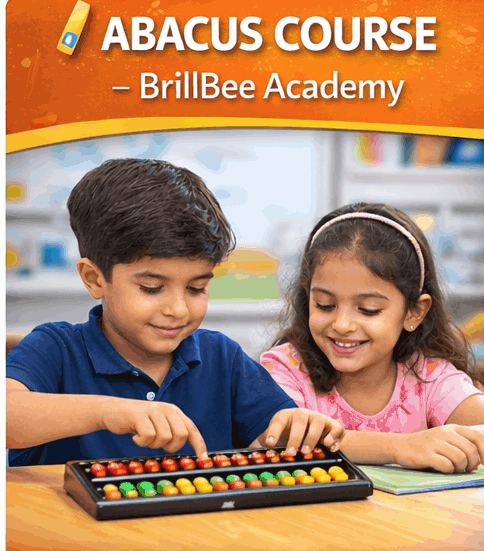
Teaching others solidifies your own learning
Does your child sometimes forget concepts they seemed to know?
Peer learning — teaching another child — is one of the most powerful ways to reinforce skills. Abacus provides perfect opportunities.
Here’s the promise: You’ll learn how peer teaching deepens your child’s abacus mastery.
Director & Lead Abacus Trainer | Mission Abacus Pvt. Ltd.
10+ years experience | 5000+ students & teachers trained
📍 Mission Abacus Pvt. Ltd. — Jaipur, India
🌐 Website: missionabacus.in
📞 WhatsApp: +91 96641 11853
🧩 The Protégé Effect
Teaching others forces you to retrieve information, organize it logically, and identify your own gaps. This process strengthens memory and deepens understanding.

🎯 Peer Learning Activities
Sibling teaching: Older child teaches younger sibling (10 minutes weekly). Classroom helper: Child assists a struggling classmate. Video explanations: Child records a “how‑to” video. Family teaching night: Child teaches parents a new abacus concept. Study buddy: Two children practice together, taking turns explaining.
💡 A Parent’s Observation
“My daughter taught her younger brother abacus basics. I noticed her own skills improved — she became more precise and confident. The teacher said she’s now the best in her class. Teaching her brother made her master it.”
You might wonder, “What if my child teaches incorrectly?” Supervise initially. Correct gently. The process of being corrected also deepens learning.
❓ FAQ — Peer Learning
What age is best for peer learning?
Age 7+. Younger children can still teach simple concepts.
Can peer learning happen online?
Yes — video calls work well. Children can share screens or demonstrate on camera.
What if no sibling or friend is available?
Teach a stuffed animal or record a video. Imaginary teaching still helps.
How often should peer teaching happen?
Once a week for 10‑15 minutes is enough to reinforce skills.
Does peer learning help with social skills?
Yes — it builds patience, empathy, and communication.
What if my child is shy about teaching?
Start with you as the student. Then gradually introduce a younger sibling or stuffed animal.
Can peer learning replace teacher instruction?
No — it’s a supplement, not a replacement. Teacher instruction is still essential for new concepts.
✨ Let your child become the teacher.
Peer learning with abacus builds mastery and confidence.
📲 Book a peer learning demo →Limited seats
Director & Lead Abacus Trainer | Mission Abacus Pvt. Ltd.
10+ years experience | 5000+ students & teachers trained
📍 Mission Abacus Pvt. Ltd. — Jaipur, India
🌐 Website: missionabacus.in
📞 WhatsApp: +91 96641 11853